Creating a Calm, Lived-In Home Without Chasing Perfection
There’s a certain kind of home you see everywhere online. Everything is spotless. Nothing is out of place. No cords, no clutter, no signs of actual life happening.
And while it looks nice, it’s also completely unrealistic.
I used to think that was the goal. If my home didn’t look polished enough, I must be doing something wrong. But over time, I realized that what I actually wanted wasn’t a perfect home. I wanted a calm one. A place that felt comfortable, functional, and lived in without feeling chaotic.
That shift changed everything.
Calm doesn’t mean minimal
One of the biggest myths around calm spaces is that they have to be empty. Fewer things. Fewer colors. Fewer signs of personality.
But calm isn’t about subtraction for the sake of aesthetics. It’s about intention.
A lived-in home has stuff. It has routines. It has people and pets and habits. Calm comes from knowing where things belong, not pretending you don’t own anything.
If something gets used daily, it deserves an easy, obvious place to live. That alone removes so much friction from everyday life.
Function comes before looks
A space can be beautiful and still stressful if it doesn’t work.
Calm homes prioritize function first. Furniture fits the room. Storage makes sense for how you actually live. Frequently used items aren’t buried in bins or hidden away just to look nice.
When your home supports your routines instead of fighting them, everything feels lighter. You stop constantly tidying, rearranging, and second-guessing your space.
That’s when calm starts to happen naturally.
Real life leaves traces
A lived-in home will never stay perfect. And that’s okay.
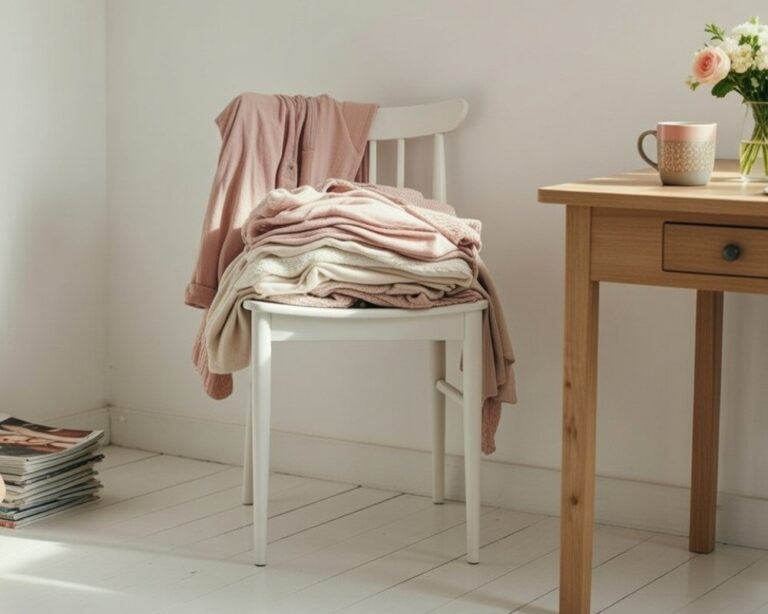
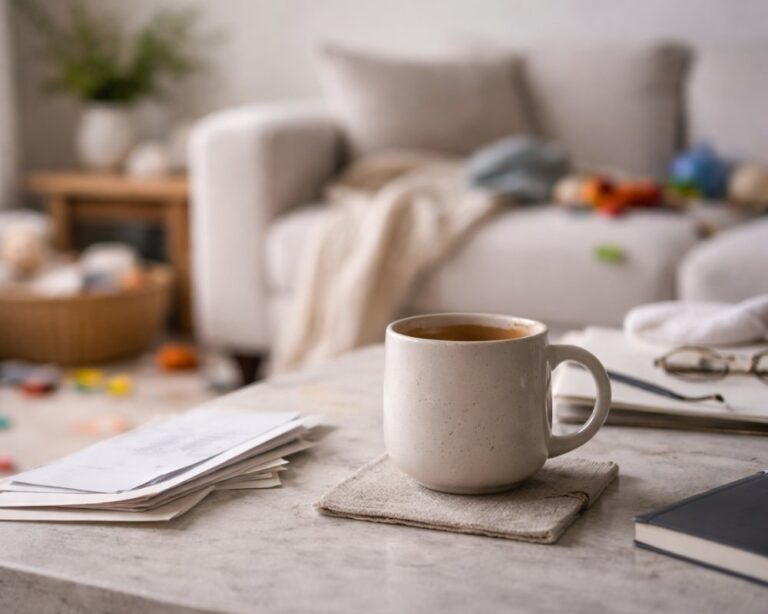
There will be blankets on the couch. Dishes in the sink. Shoes by the door. Pet toys that migrate to places you didn’t put them.
The goal isn’t to erase those signs. The goal is to keep them from becoming overwhelming.
Simple systems matter more than perfect styling. A basket for throws. A tray for everyday items. A drop zone that catches clutter before it spreads. These small things create order without demanding constant effort.
Organizing for your habits, not an ideal version of yourself
One of the most freeing mindset shifts is organizing for who you are right now.
If you always drop your bag in the same spot, that spot needs a solution. If mail piles up on the counter, that’s information, not failure. Your home is giving you feedback.
Calm homes respond to real habits instead of trying to train people into unrealistic ones. When organization works with your behavior instead of against it, things stay manageable without constant discipline.
Calm is a feeling, not a photo
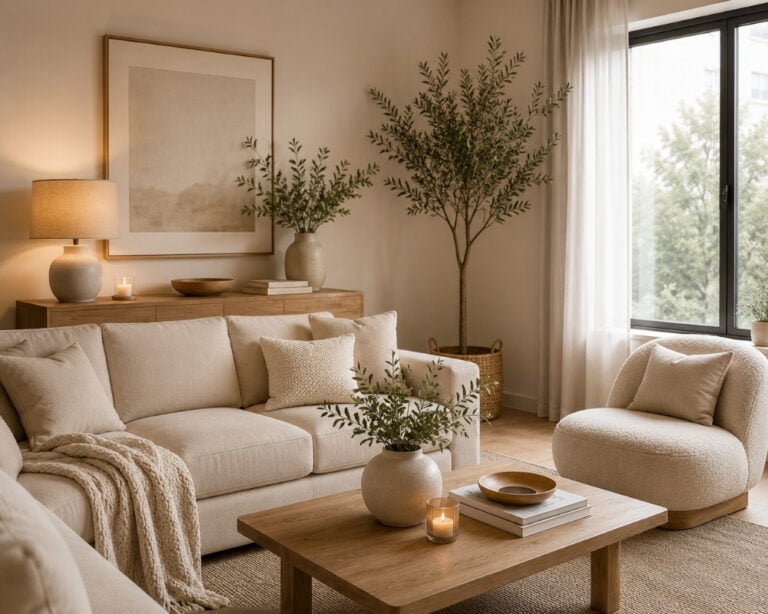
A calm home isn’t defined by how it looks in a picture. It’s defined by how it feels when you walk into it at the end of the day.
Does it feel grounding?
Does it feel comfortable?
Does it feel like a place you can exhale?
That matters more than matching trends or chasing a certain aesthetic.
A lived-in home tells a story. It holds routines, memories, comfort, and life as it actually happens. And when you stop chasing perfection, you create space for something much better. A home that supports you instead of impressing strangers.
That’s the kind of calm worth building.
Small Habits That Make a Home Feel Calmer
A calm home isn’t created in one big weekend overhaul. It’s built through small, almost boring habits that quietly stack over time.
One of the biggest shifts for me was letting go of the idea that everything needed a “place” immediately. Sometimes things live on the counter for a bit. Sometimes a basket becomes a temporary solution instead of a failure. Giving myself permission to be in progress made my home feel lighter almost instantly.
Another habit that helps is resetting just one space a day. Not the whole house. Just one surface, one drawer, one corner. It keeps the home from tipping into chaos while also respecting real life and energy levels.
I’ve also learned that calm doesn’t come from emptiness. It comes from intention. A room can have books, throws, dog toys, and still feel peaceful if it feels cared for rather than constantly judged.
How I Reset My Space When Life Feels Overwhelming
When life feels loud, my home is usually the first place I notice it. And instead of trying to “fix everything,” I start with the smallest possible reset.
I open the windows, even for a few minutes. Light and air change the mood of a space faster than almost anything else. Then I clear one flat surface and stop. That’s it. No rules that say I have to keep going.
I don’t reorganize during overwhelm. I simplify. I put things away where they already belong, or temporarily tuck them out of sight. The goal isn’t perfection, it’s relief.
Some days, a reset looks like lighting a candle and doing nothing else. And honestly, that still counts. A calm home doesn’t require productivity. It requires awareness.
What I Stopped Buying to Make My Home Feel Better
One of the most surprising things I learned is that buying less often creates more calm than buying “better.”
I stopped purchasing things just because they were trending or labeled as “organizing solutions.” Most of the time, they added visual noise without solving the actual problem.
I also stopped buying décor without a clear reason or place. Now, when something comes into the house, it either serves a purpose or genuinely makes me feel something. If it doesn’t, it’s not worth the mental weight.
Letting go of impulse purchases gave me more space, not just physically, but mentally. And that shift alone made my home feel more intentional, more lived-in, and far more peaceful.