Why Your Home Doesn’t Need to Be Instagram-Ready to Feel Beautiful
Somewhere along the way, we quietly absorbed the idea that a home isn’t really beautiful unless it’s ready to be photographed.
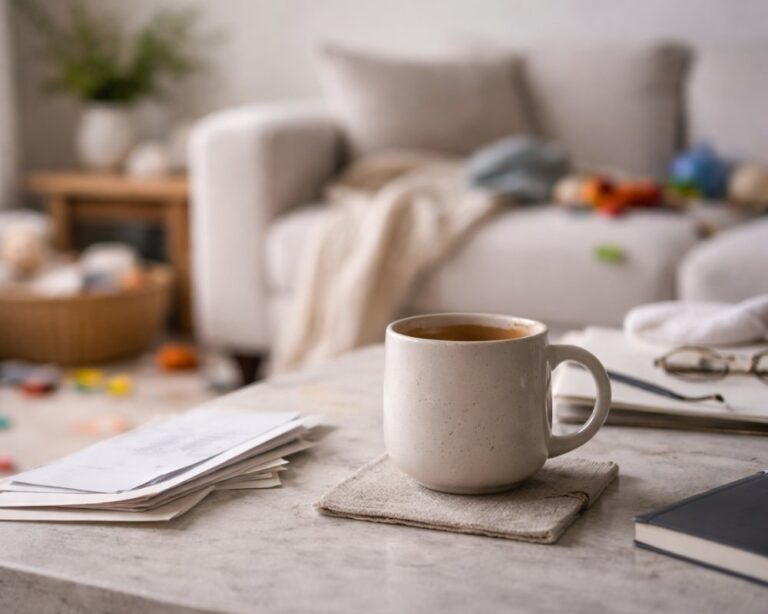
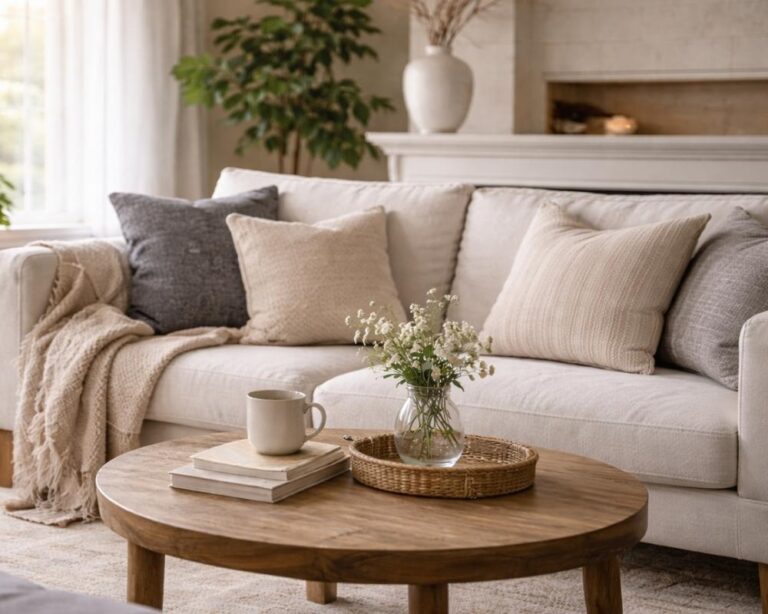
Clean counters. Fluffed pillows. Perfect lighting. Nothing out of place. No chargers, no mail, no half-finished projects, no signs of life. Just a version of a home that looks calm but rarely feels lived in.
And while there’s nothing wrong with loving a well-styled space, the problem starts when we confuse “Instagram-ready” with worthy. When we feel like our home only counts if it looks presentable to an imaginary audience.
Most of us don’t live that way. And honestly, most of us don’t want to.
The Quiet Pressure We Don’t Talk About
You don’t usually notice the pressure at first. It sneaks in quietly.
You scroll past beautiful homes online and think, I should really get my place together.
You hesitate before inviting someone over because things feel unfinished.
You mentally apologize for your space before anyone even comments on it.
None of this is dramatic. It’s subtle. But it adds up.
Suddenly your home isn’t just where you live. It’s something you’re managing. Something you’re constantly behind on. Something that feels like it’s always one organizing system or furniture swap away from being “right.”
And that’s exhausting.
A Home Is Not a Set
Instagram homes are not real homes. They are moments.
They’re styled, lit, cropped, and often reset the minute the photo is taken. There’s nothing wrong with that. Styling is a skill. Photography is an art. But problems arise when we compare our everyday spaces to someone else’s highlight reel.
Real homes have:
- Shoes by the door because you’re in and out all day
- A chair that collects clothes halfway through the week
- A coffee mug that sits a little longer than intended
- A corner that hasn’t been “figured out” yet
Those things aren’t failures. They’re evidence of living.
Beauty Isn’t the Absence of Life
There’s this idea floating around that calm comes from removing everything. Less stuff. Fewer colors. Fewer signs of use.
But calm doesn’t actually come from emptiness. It comes from familiarity and ease.
A space can be visually quiet and still feel cold.
A space can be imperfect and still feel grounding.
Beauty isn’t about pretending nothing ever happens in your home. It’s about creating a place where life can happen without constant correction.
The Difference Between Styled and Supportive
A styled home looks good.
A supportive home feels good.
A supportive home works with you, not against you.
It lets you:
- Sit without rearranging pillows
- Leave a book open on the table
- Keep things where you actually use them
- Rest without mentally noting what needs to be fixed
When your home supports your routines instead of resisting them, it naturally feels calmer. Even if it wouldn’t photograph perfectly.
You’re Allowed to Be In Progress
One of the biggest lies we tell ourselves is that a home should eventually be “done.”
Finished kitchen. Finished living room. Finished decor.
But homes don’t work that way. Life shifts. Needs change. Tastes evolve. Spaces adapt.
A home that’s in progress isn’t a problem. It’s normal.
You don’t need to rush to complete every corner just so it looks intentional. Sometimes the most honest spaces are the ones still figuring themselves out.
Calm Is a Feeling, Not a Look
Calm doesn’t come from matching furniture sets or neutral color palettes alone. It comes from how your body feels when you’re in the space.
Ask yourself:
- Can I breathe easily here?
- Do I feel welcome when I walk in?
- Does this space make daily life simpler or harder?
If the answers lean positive, your home is doing its job. Even if there’s clutter. Even if things don’t match. Even if it wouldn’t go viral.
Why “Perfect” Often Feels Uncomfortable
Perfect spaces tend to be rigid.
They require maintenance. Constant resetting. Awareness of how things look at all times. That vigilance can create tension instead of peace.
There’s a difference between caring for your home and policing it.
When a space feels too precious, it stops feeling safe. You hesitate to relax. To use things fully. To exist without thinking about aesthetics.
That’s not calm. That’s performance.
Lived-In Doesn’t Mean Neglected
This is important: choosing a lived-in home does not mean giving up or letting everything go.
It means being intentional about what actually matters.
You can:
- Clean in a way that supports comfort, not perfection
- Organize what causes stress and ignore what doesn’t
- Style selectively instead of everywhere
- Let some areas be practical and others be beautiful
Not everything needs equal attention.
The Home as a Soft Landing
At the end of the day, your home is where you return to yourself.
It’s where you decompress, recharge, and reset. It’s where you’re allowed to be off-camera. Unimpressive. Human.
If your home feels like another place you’re being evaluated, something has gone wrong.
A beautiful home is one that makes you feel safe enough to stop trying.
Letting Go of the Imaginary Audience
One of the most freeing shifts you can make is realizing that no one is grading your space.
Most people are thinking about their own lives. Their own homes. Their own messes.
The pressure you feel is often coming from an imaginary audience that doesn’t actually exist.
When you let that go, your home gets quieter without you changing a thing.
What Actually Makes a Home Feel Beautiful
In practice, beauty often comes from small, human moments:
- Morning light hitting a surface you love
- A familiar mug in your hands
- A chair that fits you perfectly
- Objects that carry memories, not trends
These things don’t always read as “styled,” but they register emotionally. And that’s what lasts.
Choosing Presence Over Presentation
A home doesn’t need to impress. It needs to hold you.
You’re allowed to choose presence over presentation. Comfort over performance. Reality over perfection.
And when you do, something interesting happens: your home often becomes more beautiful anyway. Not because it’s flawless, but because it’s honest.
A home that reflects real life doesn’t just look good. It feels right.
And that kind of beauty doesn’t need a filter.